When I see three patients misdiagnosed with Hashimoto’s Thyroiditis in 2 weeks it makes me wonder how many are out there?
The diagnosis of Hashimoto’s Thyroiditis (HT) relies on the demonstration of circulating antibodies to
thyroid antigens (thyroperoxidase and thyroglobulin) and reduced echogenicity on thyroid ultrasound in a patient with supporting clinical features.
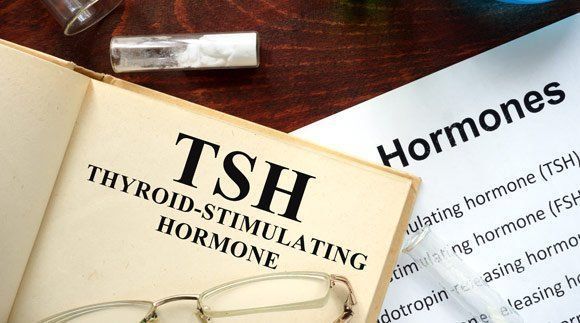
Most patients that come to me with a diagnosis of HT have not been tested for antibodies or been given an ultrasound. They have merely had elevated Thyroid Stimulating Hormone (TSH) above 4.00mU/L on two consecutive blood tests and in some cases there has only been one test. I will send them back to their doctor for an antibody test before I consider treatment.
Typically TSH levels increase when the production of Thyroid hormones fall. In Hashimoto’s a fall in hormone production is due to damage of the thyroid gland by antibodies.
The most common cause of elevated TSH in the absence of antibodies is nutritional deficiency. Oops, did I say nutritional? Yes, and there you have the reason why patients are told they need to take a drug to replace a loss of thyroid hormone production (even though it is NOT an autoimmune condition) - Doctors don’t do NUTRITION.
What nutrients are needed?
The most obvious one is iodine and it was added to table salt in the 1920’s to overcome deficiency in people living in regions with low levels of iodine in the soil. Of course table salt fell out of favour in the 1980’s when it was linked to increased risk of high blood pressure.
The next one is tyrosine is an amino acid that forms the backbone on the thyroid hormone. Two tyrosine molecules with 4 iodine atoms is known as thyroxine or T4, enzymes can remove one iodine to form triiodothyronine or T3 the more active form of the hormone. Tyrosine is obtained from eating meat.
Selenium is needed by the enzymes that do the conversion, nutrients that are needed in production and function of the hormone include iron, zinc, vitamin A, vitamin C, vitamin D and vitamin B2.
In most cases of deficiency a well selected supplement program and dietary change will see significant improvement in 3 months. It will then be determined what nutrients should be supplemented for the long term and what foods need to be consumed regularly. This is a very different outcome to taking a drug for the rest of your life and takes into account the individual patient’s needs.
I recently saw a man who had been diagnosed with HT seven years ago and had been taking thyroid hormone replacement since then. He brought in copies of all his blood tests taken over that time. It turns out that he tested negative for antibodies in the beginning and again more recently. The misdiagnosis and poor management of this patient had led to other health problems which severely impacted on this man’s quality of life. He had been bedridden for some time and unable to work for 2 of those years. We are hoping that with some time spent with diet and nutritional supplementation he will be able to wean off the unnecessary medication in a few months.
In another case a 48 year old woman had been told she had a “thyroid disorder” and was prescribed thyroid hormone replacement following a slightly elevated TSH level even though T4 levels were not too low. This patient had tried dieting (including fasting)to lose weight and manage elevated blood glucose levels over the previous few months. The elevated TSH could have been a result of the stress placed on the body and nutritional deficiencies due to the fasting regimen. I didn’t treat this case as a thyroid disorder at all but gave her more appropriate dietary guidelines and prescribed some nutritional supplements. I recommended retesting TSH in 3 months to see how things are going.
If you are reading this and beginning to wonder if you have been misdiagnosed the first action to take is contact your doctor and ask if you have been tested for thyroid antibodies.
Please contact me if you would like more information.
Linda Lowen